How to price a kitchen cabinet job: add up your real costs (cabinets, freight, assembly, install labor, finishing pieces and overhead), then set the price from the margin you need. Build it from your own numbers, not a per-foot guess.
Summary
- Price a cabinet job from your own costs, line by line.
- Every kitchen cabinet job has the same core cost lines.
- Use your own job logs first.
- Markup is a percentage of cost; margin is a percentage of the selling price.
Start With Your Own Cost Sheet, Not a Linear-Foot Number
Price a cabinet job from your own costs, line by line. A per-linear-foot number from the internet hides the parts of the job that eat margin.
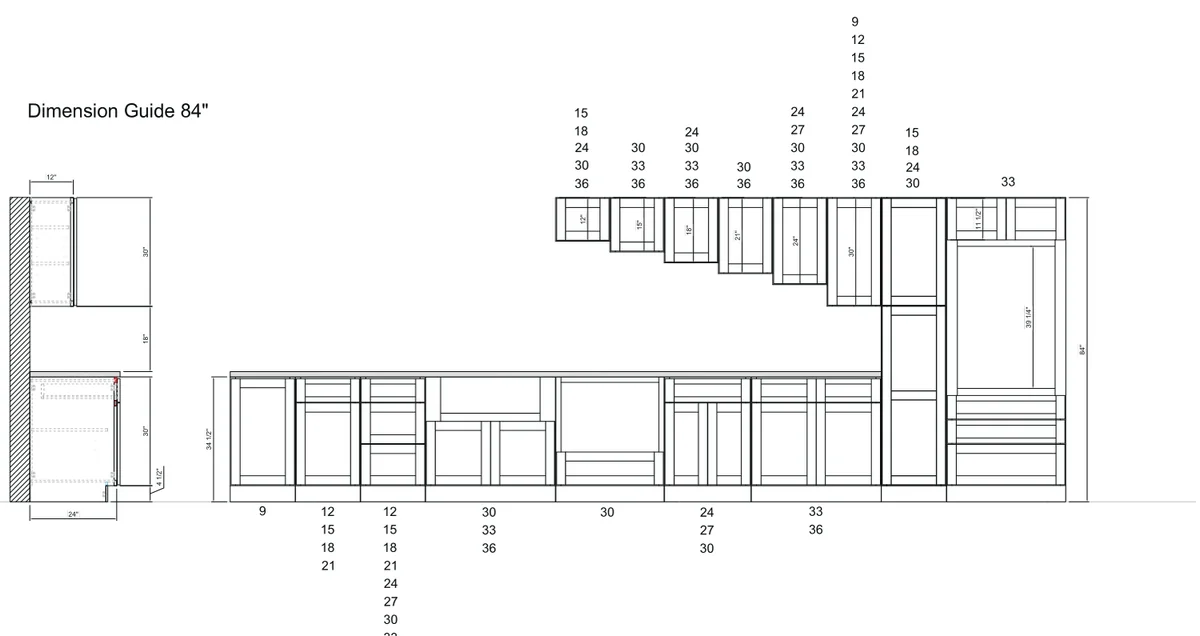
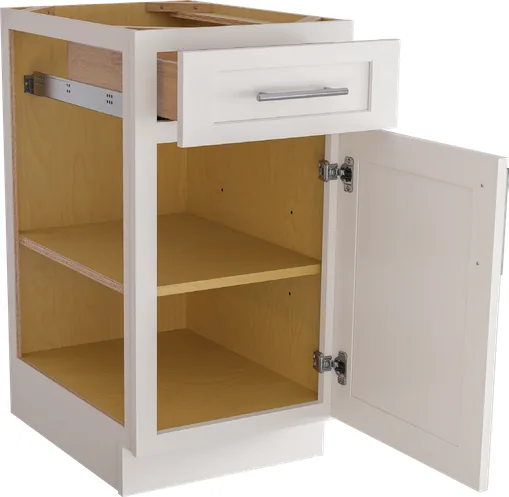
Two kitchens with the same wall length can need very different cabinets. A run of drawer bases, a pantry and a lazy Susan cost more to buy and more to set than a run of plain door bases. Your cost sheet sees that; a linear-foot figure does not.
Start with the cabinet quote, then add every cost you carry until the job is signed off. The rest of this guide is that sheet.
The Cost Lines in Every Kitchen Cabinet Job
Every kitchen cabinet job has the same core cost lines. Fill each one with your own number before you think about the selling price.
| Cost line | Where the number comes from | Watch for |
|---|---|---|
| Cabinets | Your wholesale quote, by SKU | Quote date and stock confirmation |
| Freight and delivery | The same quote, to the jobsite | Second deliveries for forgotten pieces |
| Finishing pieces | Toe kick, moldings, panels, decorative doors | Easy to leave off the first list |
| Assembly (RTA only) | Your crew hours times your hourly cost | Hours you never track |
| Installation labor | Your crew hours times your hourly cost | Scribing, shimming and corner units |
| Hardware and add-ons | Knobs, pulls, organizers, roll-out trays | Client upgrades after the proposal |
| Demo, haul-away and protection | Your own rates | Dumpster and floor protection |
| Overhead share | Truck, insurance, office, phone per job | Left out on small jobs |
| Contingency | A fixed share of the total | Out-of-square walls and surprises |
Finishing pieces are where most first lists fall short. Check the cabinet fillers, panels and moldings you need before you send the proposal.
For a renovation, add demolition and disposal as their own lines; they are often missed when the price is built only from the cabinet list.
How to Estimate Assembly and Install Hours
Use your own job logs first. If you do not have them, start from a public estimate and correct it after every job.
One contractor on ContractorTalk estimated about 8 hours to assemble the cabinets for a typical kitchen and suggested charging roughly $800 to $1,000 for assembly. Treat that as one data point, not a rate.
A better habit is to log hours per box. Count the cabinets on each job, note assembly and install hours, and divide. After a few kitchens you have your own per-box number, and corner units and pantries can carry a higher one.
If your crew is short, price pre-assembled cabinets and drop the assembly line entirely. Compare both on the same sheet.
Markup vs Margin: The Math That Protects Profit
Markup is a percentage of cost; margin is a percentage of the selling price. Confusing the two is the fastest way to earn less than you planned.
To hit a target margin, divide your total cost by one minus the margin. For a 30% margin, the price is cost divided by 0.70.
| Markup on cost | Gross margin on price | Price formula |
|---|---|---|
| 25% | 20% | Cost x 1.25 |
| 33.3% | 25% | Cost x 1.333 |
| 42.9% | 30% | Cost x 1.429 |
| 50% | 33.3% | Cost x 1.5 |
| 66.7% | 40% | Cost x 1.667 |
| 100% | 50% | Cost x 2 |
Pick the margin first, from what your business needs to cover overhead and profit. Then let the formula set the price.
A Fill-In Worksheet for Your Next Job
Write each line with your own numbers. The letters keep the math clean.
- A: cabinets and finishing pieces from the wholesale quote.
- B: freight and delivery from the same quote.
- C: assembly hours times your hourly cost (zero if assembled).
- D: install hours times your hourly cost.
- E: hardware, organizers, demo, haul-away and protection.
- F: overhead share for this job.
- G: contingency, as a share of A through F.
- Total cost = A + B + C + D + E + F + G.
- Price = total cost divided by (1 minus your target margin).
Keep the sheet with the job. When the job closes, compare the real hours with C and D and adjust the next one.
Protect the Price After You Send the Proposal
A good price can still lose money if it changes after the client signs. Lock the parts you control.
- Put a date and a validity window on the proposal
- Confirm the finish with a door sample before the order is placed
- Order only after stock is confirmed in writing
- Write change orders for every added cabinet or upgrade
- Time the client deposit to cover the cabinet order
A fast quote helps here too. Send your layout through a wholesale cabinet quote request and ECG replies within 1 business day with stock, pricing and freight, so your proposal goes out while the client is still ready to sign.
Common Pricing Mistakes on Cabinet Jobs
Most underpriced cabinet jobs miss the same few lines.
- Pricing from a linear-foot number instead of the SKU list
- Using markup and margin as if they were the same
- Skipping freight or the second delivery for missing pieces
- Counting install hours but not assembly hours on RTA
- No overhead share on small bath and vanity jobs
Fix the sheet once and every job after it is easier to price. The checklist for a 1-day cabinet quote helps you get line A right the first time.
Sources
Frequently Asked Questions
What is a good markup on kitchen cabinets for a contractor?
It depends on your overhead and target margin. Choose the margin first, then price as total cost divided by one minus that margin. A 50% markup gives a 33.3% margin.
Should I charge separately for cabinet assembly?
If you buy RTA, assembly is a real cost line. Price it from your own crew hours, or compare it with buying assembled cabinets.
How do I avoid losing money on a cabinet job?
Price from the full SKU list, include freight and finishing pieces, track your crew hours, and confirm stock and the finish before you order.
How do I price cabinets for a kitchen remodel?
Add your cabinet cost, freight, assembly if RTA, installation hours, extras and overhead, then apply your margin. Start from your own cost sheet, not a linear-foot number.
Should contractors show the cabinet cost to the client?
Many quote the kitchen as one installed price. Either way, keep your own sheet with every cost line so the margin is protected.