For how to clean painted kitchen cabinets: wipe with a soft cloth and mild soap and water, then dry right away. Skip abrasive cleaners, harsh chemicals and scouring pads, and fix small chips with a color-matched touch-up kit.
Summary
- A painted finish is a thin protective layer over wood.
- Routine cleaning takes a few minutes.
- Most finish damage comes from the wrong cleaner, not from cooking.
- Small chips are normal over years of use.
Why Painted Cabinets Need Gentle Cleaning
A painted finish is a thin protective layer over wood. Scrubbing and strong chemicals wear it down faster than daily use does.
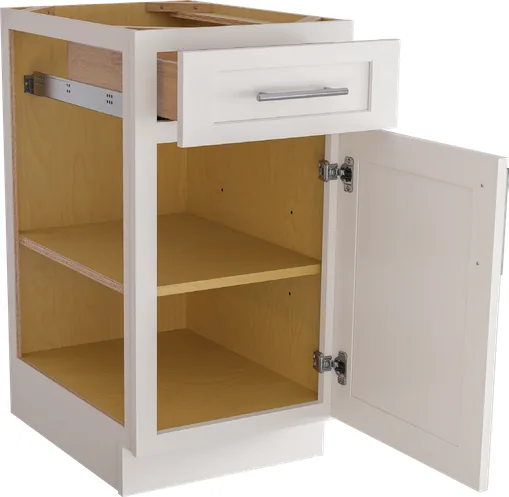
ECG Shaker White, Dove and Evergreen doors have a UV-cured finish color-matched to the door, over a 5-piece solid wood door. Lightwood is a natural wood finish with the same care needs. The goal is to remove grease and dirt without dulling or scratching that finish.
Contractors get these questions after handover. A one-page care sheet, built from the steps below, saves callbacks and keeps clients from reaching for the wrong product under the sink.
ECG painted doors get their wood finishing at the factory: the color is UV-cured, which hardens it evenly, but it is still a surface coat that abrasive cleaners can wear down.
How to Clean Painted Kitchen Cabinets, Step by Step
Routine cleaning takes a few minutes. These steps follow the care guidance in the ECG Spec Book.
- Dust or wipe off loose dirt with a dry soft cloth.
- Mix a little mild dish soap into warm water.
- Wring the cloth until it is damp, not wet, and wipe in the direction of the frame.
- Pay extra attention near handles, the range and the sink, where grease and splashes build up.
- Wipe again with a clean damp cloth to remove soap.
- Dry right away with a soft towel. Do not leave water on edges or joints.
Wipe spills as they happen. Long water exposure is harder on a finish than any single cleaning.
What Not to Use on Painted Cabinets
Most finish damage comes from the wrong cleaner, not from cooking. Keep these off painted and natural wood doors.
| Use | Avoid |
|---|---|
| Soft cloth or microfiber | Scouring pads, steel wool, stiff brushes |
| Mild soap and warm water | Abrasive powders and creams |
| A damp, well-wrung cloth | Soaking wet cloths or sprays left to sit |
| A dry towel right after | Air drying on edges and joints |
| Gentle wiping with the frame | Harsh chemicals and strong solvents |
Check any new cleaner on a hidden spot first, such as the inside of a door.
Be careful with "all-purpose" sprays and wipes too. Many contain solvents or abrasives that are fine on a countertop but can dull a painted cabinet finish over time.
How to Touch Up Chips and Scratches
Small chips are normal over years of use. A color-matched touch-up kit hides them before they grow or let moisture into the wood.
ECG lists a color-matched touch-up kit in the Spec Book accessories, alongside the sample door. Order it with the cabinets so your crew can fix install nicks on site. Find it under cabinet organizers and accessories.
- Clean the chip with mild soap and water and let it dry fully
- Use the kit color that matches the finish: White, Dove, Lightwood or Evergreen
- Apply a small amount, only inside the chip, not around it
- Build up thin layers and let each one dry
- Follow the drying time and steps in the kit instructions
- Check the repair in daylight and from a normal standing distance
A Cleaning Schedule to Share With Clients
A simple schedule keeps grease from building up. Hand it over with the keys so the client knows what to do and what to skip.
| How often | What to do |
|---|---|
| Daily | Wipe spills and splashes right away, then dry |
| Weekly | Wipe doors and handles near the range and sink with a damp cloth |
| Monthly | Clean all door and drawer fronts with mild soap and water, then dry |
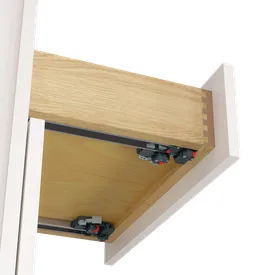
| Every few months | Check and re-tighten hinges, glides and handles |
| As needed | Touch up small chips with the color-matched kit |
The schedule matches the Spec Book care points, so it also helps the client keep the warranty valid.
Prevent Damage Before It Starts
Most painted cabinet wear comes from heat, steam and water, not cleaning. A few habits prevent it.
- Vent heat and steam away from wall cabinets; run the hood when cooking.
- Do not drape wet towels over doors.
- Keep the home at a stable temperature and humidity all year.
- Re-tighten hinges and hardware periodically so doors stay aligned and do not rub.
Share these points with your client at handover. Proper care keeps the finish working and keeps the warranty valid.
Care and the Cabinet Warranty
Finish damage from cleaning is usually not a warranty matter. The ECG limited lifetime warranty covers defects in material and workmanship of hinges, glides and box structure.
It excludes misuse, neglect, water, chemicals, and spaces without year-round climate control. Wood is a natural product, so natural variation in grain, color and aging is not a defect. Read the full terms on the cabinet limited lifetime warranty page, and see the finishes in the four-finish Shaker cabinet line.
Frequently Asked Questions
What is the safest way to clean painted kitchen cabinets?
A soft cloth with mild soap and warm water, wiped damp and dried right away. Avoid abrasive cleaners, harsh chemicals and scouring pads.
Can I use a degreaser on painted cabinets?
Strong chemicals can damage the finish. Start with mild soap and water, and test any other cleaner on a hidden spot first.
Does ECG sell a touch-up kit?
Yes. ECG has a color-matched touch-up kit for each finish: Shaker White, Dove, Lightwood and Evergreen. Add it to your quote.
How often should painted kitchen cabinets be cleaned?
Wipe spills right away, clean high-touch areas weekly and give doors and fronts a full mild-soap cleaning every month or two.
Can magic erasers damage painted cabinets?
Yes. They are abrasive and can dull or wear through the finish. Use a soft cloth with mild soap and water instead.